Common Types of Storm Damage That Require Roof Repair
People searching for storm damage roof repair are typically seeking help from local contractors who can fix common storm-related issues like missing shingles, leaks, and hail damage.
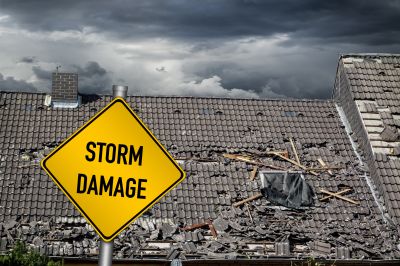
Homeowners in areas prone to severe weather often find it helpful to understand the common types of storm damage that require roof repair. Strong winds, hail, and heavy rain can all take a toll on a roof’s integrity, leading to issues like missing shingles, dented or cracked roofing materials, and leaks that may not be immediately visible. Recognizing these signs early can make a significant difference in preventing further damage and costly repairs down the line. Local contractors experienced in storm damage repair are equipped to address these problems efficiently, helping property owners restore their roofs and protect their homes.
Exploring the different ways storms can impact a roof provides valuable insight for property owners looking to safeguard their investments. Damage from hail can leave behind pitted or shattered shingles, while wind can lift or tear off roofing materials, creating vulnerabilities. Heavy rain may cause water to seep through compromised areas, resulting in interior damage. Understanding these common storm-related issues underscores the importance of professional roof repair services. Local service providers who specialize in storm damage repair can assess the extent of the damage, recommend necessary repairs, and help ensure the roof remains durable against future storms.
- Hail Damage - when hailstones strike roofs during storms, local contractors assess and repair dents, cracks, and punctures to restore roof integrity.
- Wind Damage - strong winds can loosen or lift shingles, prompting service providers to secure or replace damaged roofing components.
- Heavy Rain and Water Intrusion - persistent rain can cause leaks and water damage, with local pros inspecting for and fixing compromised areas.
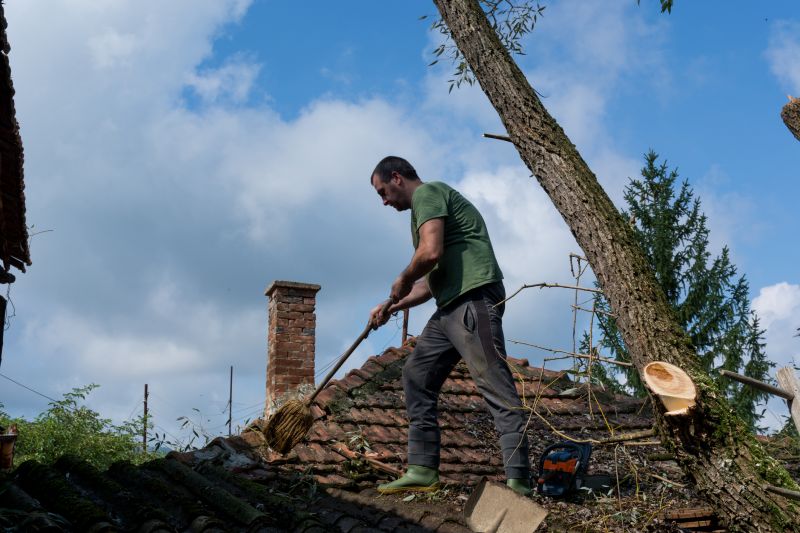
- fallen Tree Limbs - storm-fallen branches can puncture or crush roofs, leading service providers to perform necessary repairs to prevent further issues.
- Skylight or Vent Damage - storm impacts can crack or dislodge skylights and vents, with local contractors repairing or replacing these vulnerable roof features.
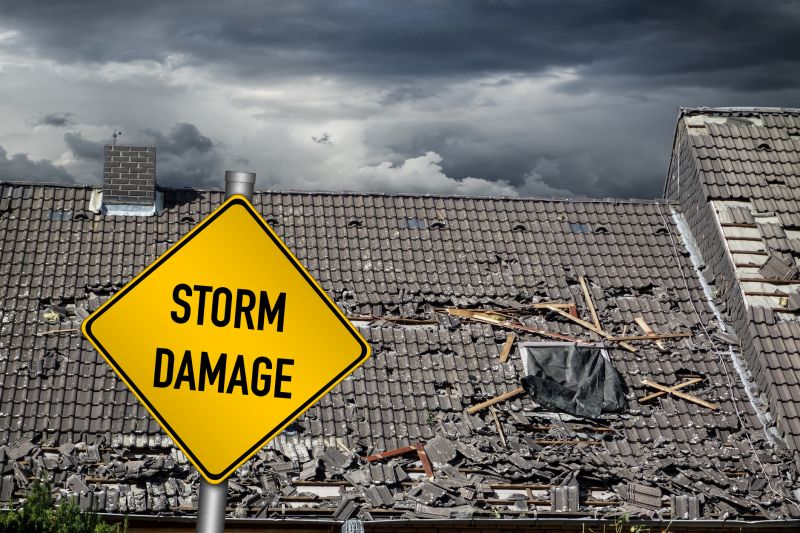
When homeowners search for information on common types of storm damage that require roof repair, they are often trying to understand the specific issues that storms can cause to their roofs. Storm damage can manifest in various ways, and recognizing these problems early can help determine whether repairs are needed. This topic relates to plans for maintaining the safety and integrity of a property after severe weather events. It also involves understanding the different kinds of damage that can compromise a roof’s ability to protect the home, prompting the need for professional assessment and repair by local contractors experienced in storm damage restoration.
One of the most frequent types of storm damage involves wind-related issues, such as missing or loose shingles and tiles. High winds can lift or tear off roofing materials, leaving the underlying layers exposed to the elements. Homeowners may notice missing shingles or see debris on their property after a storm. Another common problem is hail damage, which often results in dents, cracks, or holes in roofing materials. Hail can weaken the roof’s surface, leading to leaks or further deterioration over time. Local service providers specializing in storm damage roof repair can evaluate these issues and recommend appropriate fixes to restore the roof’s protective layer.
Heavy rain associated with storms can lead to water infiltration if the roof has pre-existing vulnerabilities or sustained damage. Water leaks may develop around flashing, vents, or along damaged shingles, causing interior issues and potential mold growth. Storms can also cause structural damage, such as fallen branches or trees that impact the roof directly, breaking or puncturing the roofing surface. These types of damage are particularly common on homes in areas prone to severe weather. Property owners often turn to local contractors who can quickly identify the extent of storm-related damage and perform necessary repairs to prevent further issues.
Certain properties are more susceptible to storm damage due to their design, age, or location. Residential homes with asphalt shingles, tile roofs, or metal roofing are all vulnerable to different types of storm-related problems. Larger or older homes may have more fragile roofing materials that are more easily compromised by high winds or hail. Additionally, homes situated in storm-prone regions often experience repeated damage, making regular inspections and prompt repairs essential. Connecting with experienced local roof repair service providers ensures that property owners can address storm damage effectively, safeguarding their homes against future weather events and maintaining their structural integrity.
Roof inspection services - professionals assess storm-related damage to identify issues like missing shingles or leaks that require repair.
Gutter and drainage system repair - storm damage often affects gutters, and local contractors can help restore proper water flow to protect the roof.
Storm damage restoration - specialists handle comprehensive repairs for various storm-related impacts, including wind and hail damage to roofing materials.
Emergency tarp services - local service providers can quickly cover damaged roofs to prevent further weather-related harm until full repairs are completed.
Roof replacement services - when storm damage is extensive, experienced contractors can replace damaged roofing materials to restore roof integrity.
Structural repair services - storm damage sometimes affects underlying roof structures, and local pros can evaluate and repair these critical components.
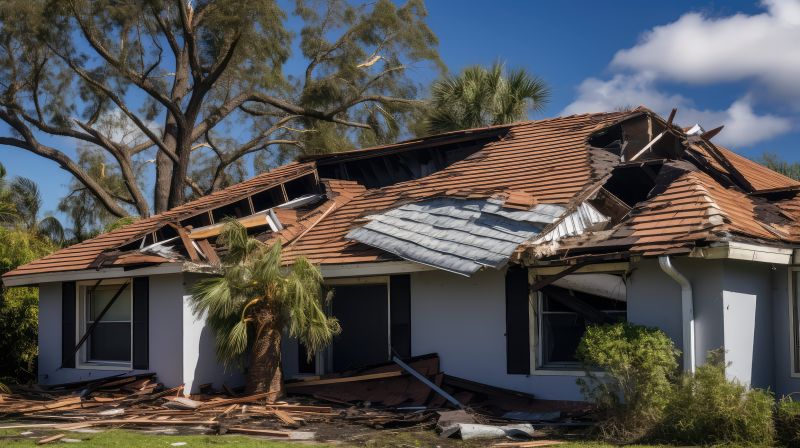
When comparing service providers for storm damage roof repair, it’s important to consider their experience with similar projects. Local contractors who have handled various types of storm damage-such as hail impacts, wind-blown debris, or fallen branches-are more likely to understand the specific challenges these issues present. An experienced professional can assess the damage accurately, recommend appropriate repairs, and help ensure the roof’s integrity is restored effectively. Checking references or reviews from previous clients who faced comparable storm-related issues can provide insight into their capabilities and reliability, helping homeowners feel more confident in their choice.
Clear communication about project expectations is crucial when selecting a contractor for storm damage repairs. Reputable service providers should be transparent about the scope of work, materials used, and the repair process. This clarity helps homeowners understand what to expect and reduces the likelihood of misunderstandings or surprises during the project. A contractor who takes the time to explain the necessary repairs and provides detailed written estimates demonstrates professionalism and a commitment to customer understanding, making it easier to compare options objectively.
Good communication and reputable references go hand-in-hand when evaluating local contractors. Service providers who respond promptly to inquiries and are willing to answer questions about their experience with storm damage repairs tend to be more dependable. Additionally, seeking out references or reviews from past clients can reveal how well the contractor communicates throughout the project and whether they have a track record of completing work to satisfaction. These factors can help homeowners select a reliable partner capable of handling the complexities of storm damage roof repair efficiently and effectively.
Property owners often search for common types of storm damage that require roof repair when they are planning practical projects around their homes and businesses. Local pros provide Storm Damage Roof Repair services for everyday jobs and straightforward project options.
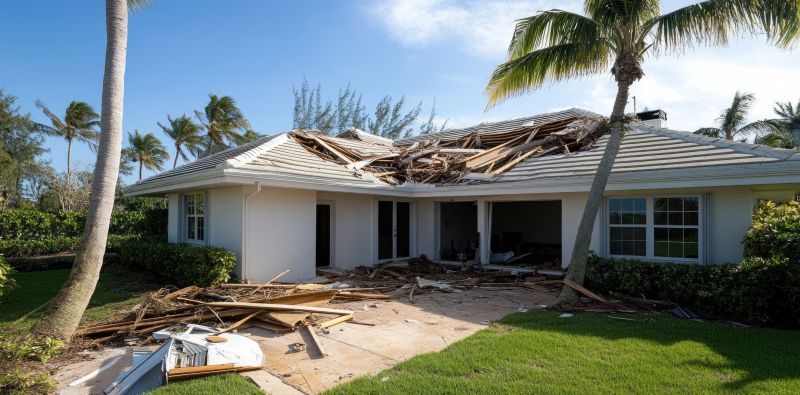
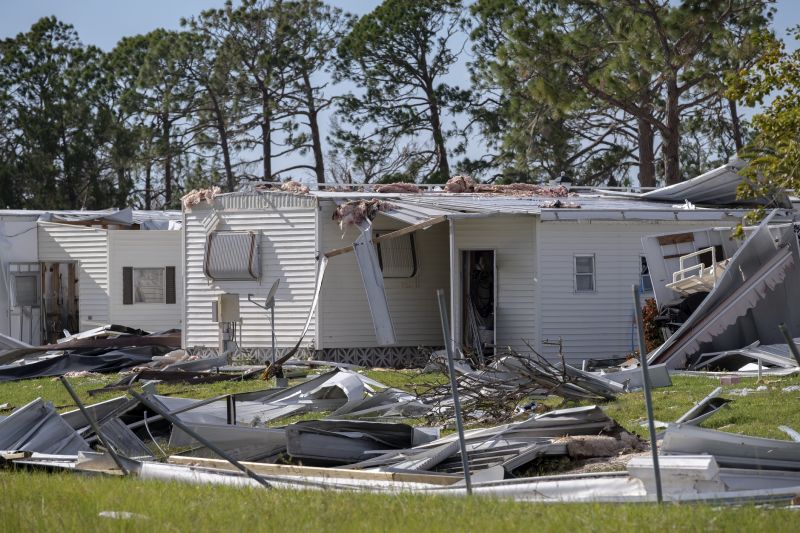
Storms can cause a variety of damage to roofs that often necessitate repair. Heavy rain can lead to leaks or water intrusion if shingles are loosened or damaged, while strong winds may lift or tear off roofing materials entirely. Hailstorms are also a common cause of roof damage, leaving behind dents, cracks, or broken shingles that compromise the roof’s integrity. Property owners noticing signs of these issues after a storm should consider reaching out to local contractors experienced in storm damage roof repair to assess and address the damage promptly.
In addition to wind and hail, fallen tree branches or debris carried by storms can cause physical impacts to the roof, creating punctures or structural damage. Excessive rainfall can also lead to water pooling or seepage if the roof’s drainage system becomes blocked or compromised. Recognizing these common types of storm damage early can help property owners protect their homes and avoid more extensive repairs. Local service providers specializing in storm damage roof repair are available to evaluate the extent of the damage and recommend appropriate solutions.
What are common types of storm damage that require roof repair? Common types include roof leaks caused by missing or damaged shingles, hail dents or cracks, and structural issues from high winds that can loosen or break roof components.
How does hail damage affect roofs during storms? Hail can create dents, cracks, or punctures in roofing materials, which may lead to leaks and further deterioration if not repaired promptly by local contractors.
What signs indicate wind damage on a roof? Signs include missing shingles, uplifted or curled edges, and debris on the roof, all of which can compromise the roof’s integrity and require professional repair services.
Can heavy rain cause damage to my roof? Yes, heavy rain can lead to leaks, especially if the roof has existing damage or vulnerabilities, making it important for local service providers to assess and repair affected areas.
What types of storm damage are visible and require inspection? Visible damage includes missing shingles, cracked or broken roofing materials, and debris accumulation, all of which should be evaluated by experienced roof repair contractors.
Wind Damage - Property owners can inspect their roofs after storms with high winds to identify loose or missing shingles, then seek storm damage roof repair services from local contractors to restore roof integrity.
Hail Impact - Recognizing dents or cracks caused by hail can prompt homeowners to contact local pros for repairs that prevent leaks and further deterioration.
Heavy Rain and Water Damage - Experiencing leaks or water stains after a storm may lead property owners to consult local service providers for roof repairs that address water intrusion.
Debris and Fallen Branches - Clearing fallen branches and debris from the roof can prevent further damage and allows local contractors to assess and repair any resulting issues.
If you are thinking about common types of storm damage that require roof repair for a property, this guide is meant to help you understand this topic, the typical project types, and how different options might fit your plans.
When you are ready, you can use the quote form on this page to share a few details about your project. From there, local pros can review the basics and follow up with options that match what you have in mind.